Room-by-Room Renovations That Welcome Everyone
Today we explore Accessibility-Focused Renovation Framework Across Rooms, translating inclusive design values into clear, room-specific actions that enhance safety, comfort, and dignity. We’ll connect standards with lived experience, share small wins that compound over time, and outline measurable steps you can adapt immediately. Whether retrofitting a city apartment or modernizing a family home, you’ll find guidance for entrances, kitchens, bathrooms, bedrooms, and living spaces. Join the conversation, ask practical questions, share photos, and subscribe so our community can grow smarter together with each renovation.

Start With Principles, Not Products
Great accessibility outlives trends because it starts with universal design principles, not shopping lists. Focus on equitable use, flexibility, simplicity, perceptible information, tolerance for error, low physical effort, and appropriate size and space. Consider aging, temporary injuries, sensory differences, and mobility aids. A sprained ankle, a stroller, or a suitcase quickly reveals where thresholds snag, doors pinch, and sightlines fail. Make decisions that still work when needs change, because they will.
Map Barriers Before Moving Walls
Walk your home at different times of day and pretend you are using crutches, pushing a stroller, or rolling a wheelchair. Mark tight corners, dim patches, slick floors, echoing rooms, and confusing transitions. A ninety-degree turn might be fine on paper yet impossible with groceries and a cane. Photograph every friction point, measure it, and capture why it frustrates you. This documented reality is your most valuable design brief.
Decisions by the Numbers, Not Hunches
Use proven dimensions to guide choices and reduce costly rework. Aim for a 60-inch turning circle where possible, or equivalent T-turn clearances. Target forward reach between 15 and 48 inches, with side reach similar. Keep slopes gentle, remembering a 1:12 ramp ratio as a practical baseline. Validate all figures against local codes and project constraints, then prototype with tape on floors and cardboard mockups to test genuine comfort.
Texture, Contrast, and Acoustics
Good footing, clear cues, and calm soundscapes turn effort into ease. Choose slip-resistant surfaces with a wet DCOF near 0.42 or higher for busy areas, and vary texture subtly to signal transitions without tripping feet. Favor matte finishes to reduce glare and increase visual clarity. Use strong light–dark contrast at edges, controls, and steps. Add soft materials or panels to tame echoes so voices, alerts, and mobility cues are unmistakable.
Welcoming Entries and Effortless Circulation
The journey begins outside and continues through every threshold, so plan a continuous, predictable path. Combine zero-step entries with gentle grades, protected landings, good drainage, and weather lighting. Inside, ensure hallways and turns accommodate rolling devices and companions walking side by side. Doorways should feel like invitations, not tests. When circulation is easy, people look up, not down, noticing loved ones, not hazards, and moving with confidence instead of calculation.
A Kitchen That Invites Participation
Design the kitchen so people can prep, cook, socialize, and clean without heroic effort. Mix standing and seated work zones, prioritize knee clearance at a sink or station, and keep frequently used items within easy reach. Favor side-opening ovens, drawer dishwashers, and pull-out pantries over deep, dark cabinets. Layer light for precision and comfort, minimize trips between zones, and keep floors forgiving underfoot. A shared meal becomes possible when the room shares the work.
Surfaces That Adjust to You
Blend fixed counters with an adjustable-height work surface that ranges roughly from twenty-eight to thirty-six inches. Provide generous knee space with smooth edges and protective panels, and ensure plumbing is insulated to prevent contact burns. Add sturdy pull-out boards for temporary landing space. Keep small appliances on slide-out shelves so weight does not discourage use. The goal is effortless setup for a child icing cupcakes or a grandparent chopping herbs seated comfortably.
Appliances Without Acrobatics
Prioritize appliances that meet you, not the other way around. A side-hinged wall oven at reachable height reduces dangerous lifting. Induction cooktops heat pans, not hands, with simple lockouts for safety. Drawer dishwashers minimize bending and let users load from a seated position. Choose bottom-freezer fridges with wide handles and bright internal lighting. Group controls logically, avoid mirror-finish touch panels that hide fingerprints, and ensure every critical switch offers tactile and audible feedback.
Light, Power, and Safe Stops
Layer ambient light with robust, shadow-free task lighting under cabinets and above work zones. Use accessible switches with large paddles, and place outlets where plugging in does not require contortions. Add shutoff valves and breaker labels that are easy to read and reach. Keep fire extinguishers visible and operable with one hand. Safety grows from predictability, so label drawers clearly, avoid cluttered corners, and give every tool a home within comfortable reach.
Bathrooms Built for Confidence
Bathrooms should support independence at every hour, not just on perfect days. Curbless showers, sturdy blocking for future grab bars, and slip-resistant materials create confidence. Good lighting respects sleepy eyes at dawn yet reveals hazards clearly. Controlled ventilation prevents fog that steals contrast. Thoughtful layouts keep toiletries and towels within reach, protecting balance. Every choice, from drain placement to shelf edges, can turn daily routines into safe, satisfying rituals that preserve dignity.




Rest Easy: Bedrooms and Night Paths
Sleep spaces should serve bodies that change from day to day. Prioritize predictable clearances for walking aids, careful bed height for transfers, and reachable storage that does not require tiptoes or kneeling. Provide outlets and charging cradles near both sides, with cords contained and labeled. Create a dependable route to the bathroom with soft, indirect light. When midnight movements are simple and safe, mornings begin with confidence instead of soreness and hesitation.

Transfers Without Tangles
Set bed height to align with the user’s knees or chair seat so sliding requires less strain. Keep a generous clear area at least on one side for assistance, with flooring that grips without grabbing toes. Replace trip-prone rugs with thin, beveled mats that remain absolutely flat. Position nightstands slightly lower than the mattress top and equip them with felted trays so essentials do not rattle away. Simplicity here prevents midnight gymnastics and painful stumbles.

Closets That Come to You
Use pull-down rods and drawers instead of deep shelves so clothing arrives to a comfortable reach. Light the interior with automatic, low-glare fixtures that reveal true colors without heat. Label sections clearly, group seasonal items, and keep heavy bins waist-high. Consider sliding doors that do not steal aisle space. A closet designed for varied abilities keeps mornings calm, reduces decision fatigue, and lets everyone leave on time with dignity intact.

Multiple Ways to Say ‘On’
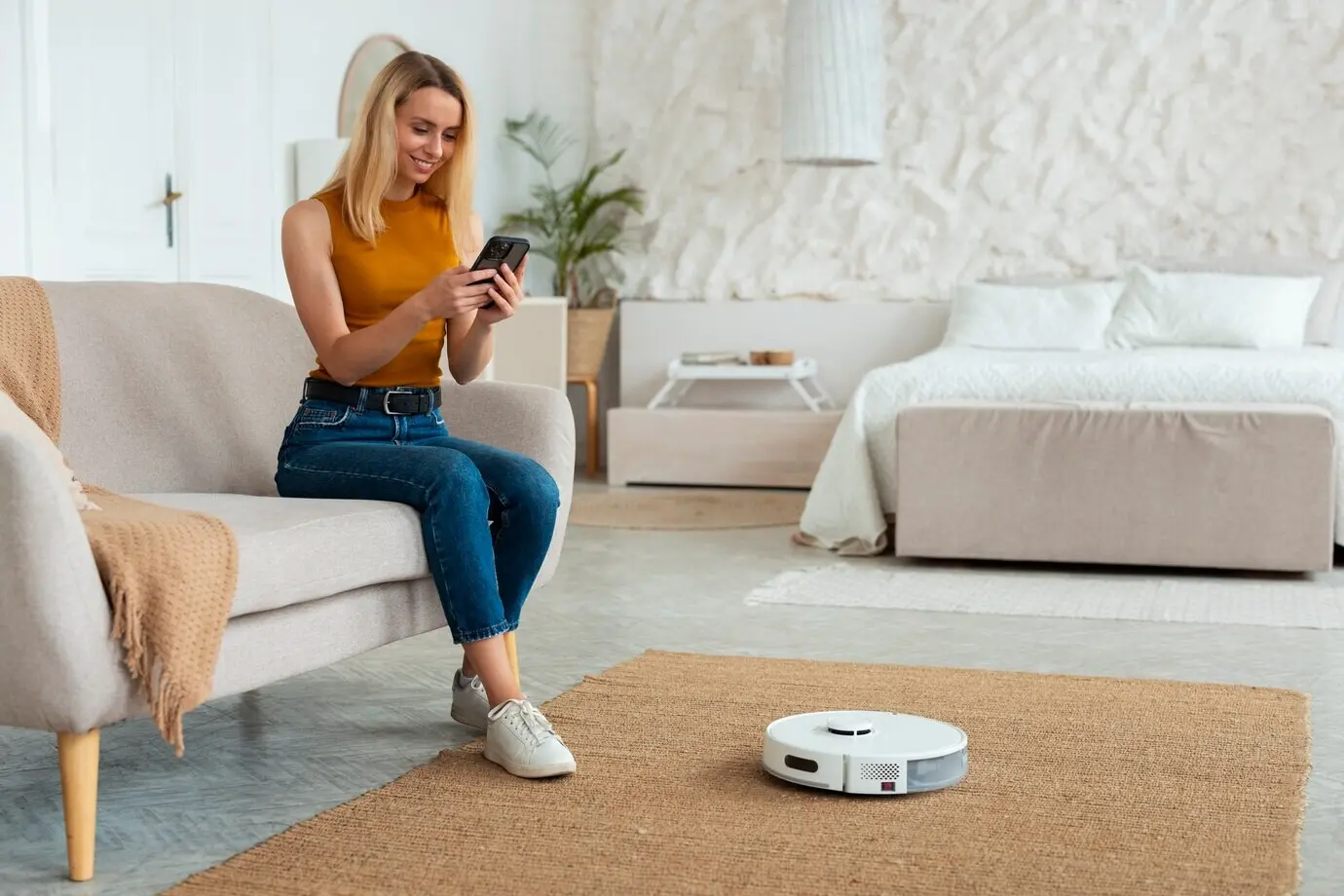
Offer layered control: voice, app, physical switch, and remote where appropriate. Ensure essential functions never require a smartphone or perfect speech recognition. Use large paddles or rockers placed consistently throughout the home. Add tactile labels and high-contrast engravings so visitors understand controls instantly. Keep automations simple and reversible. Clear, redundant inputs let arthritic hands, tired minds, and curious kids succeed without frustration, making daily environments feel reliably cooperative rather than unpredictable.
Sensors, Alerts, and Privacy
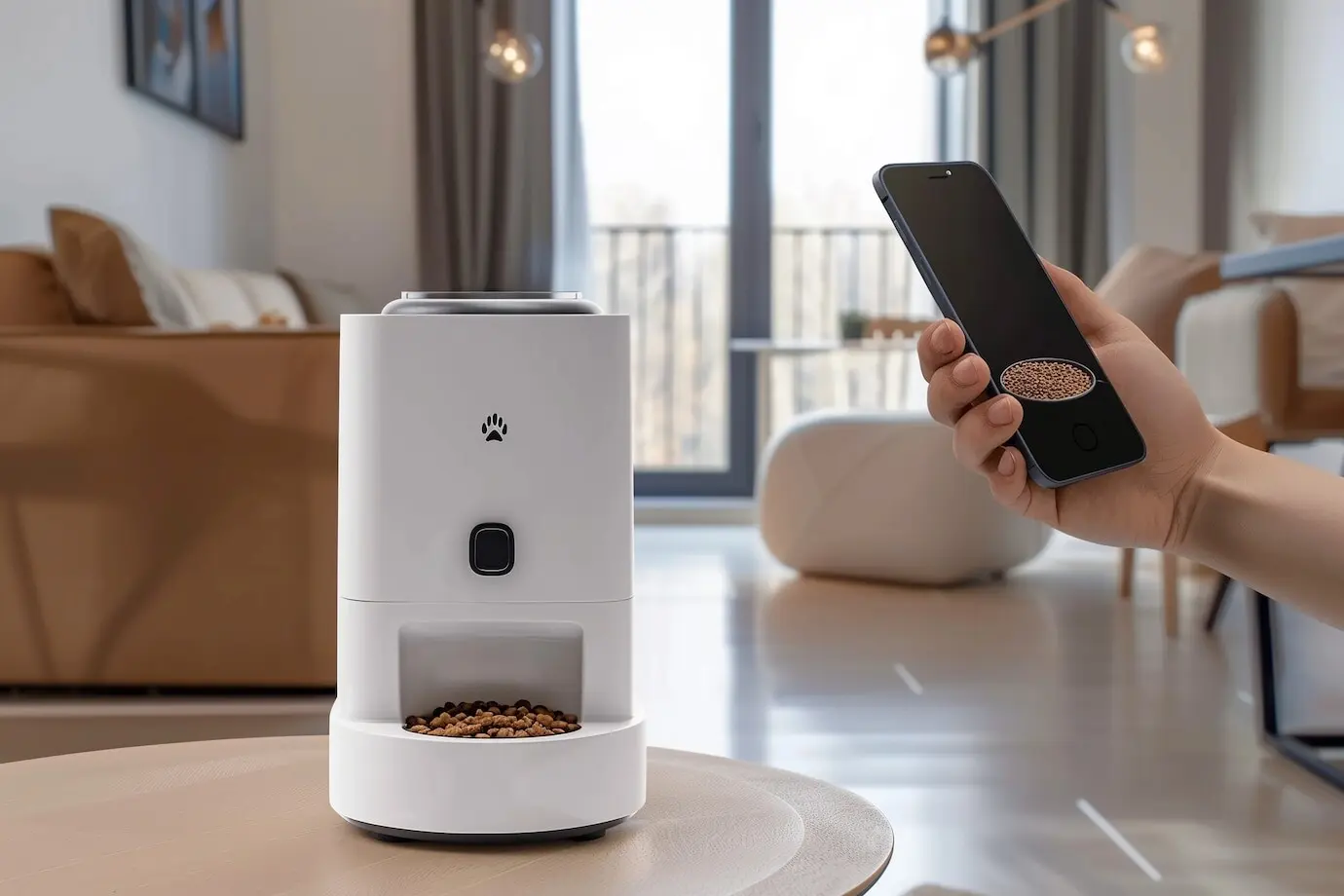
Use leak, smoke, carbon monoxide, and temperature sensors that announce issues audibly and visually. Configure alerts to reach caregivers or neighbors when appropriate, but allow respectful silence during rest. Keep cameras out of private spaces and be transparent about what data is collected, where it goes, and how it can be deleted. Redundancy matters, but so does dignity. Good systems protect people without making homes feel like monitored workplaces or tiring laboratories.
Iterate With Real Users
After move-in, run a friendly post-occupancy review. Track where people still hesitate, where clutter reappears, and which controls confuse guests. Adjust heights, labels, and scenes, then check again a month later. Share your findings with our community in the comments, ask questions, and subscribe for follow-ups. Honest stories and photos help others avoid pitfalls and multiply wins, turning one renovation into shared knowledge that steadily upgrades many homes.

All Rights Reserved.